What Hospitals Need to Know
Healthcare monitoring is highly important as far as patient safety is concerned with particular reference to hospitals when patients need constant monitoring and medical attention. Over the decades, hospitals have been using outdated monitoring tools to monitor patient vitals and clinical conditions. Although these systems have been useful in the healthcare delivery process, patient demands and complicated care settings have demonstrated their deficiencies.
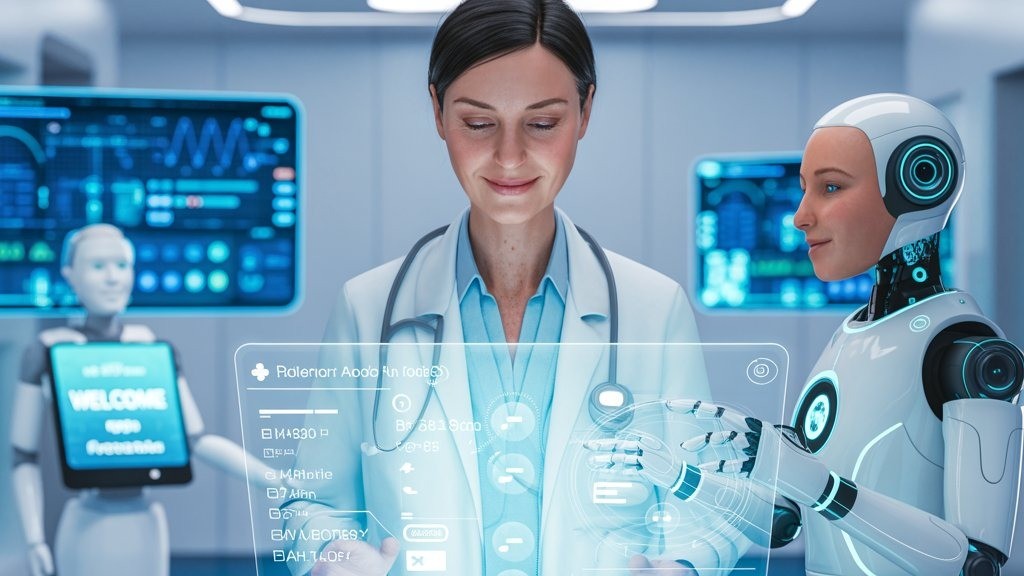
A current trend in AI healthcare monitoring systems involves AI observation, analysis, and response to patient data in hospitals. With artificial intelligence and smart automation, AI-driven surveillance systems assist medical workers in identifying potential risks earlier, reduce workload, and enhance patient outcomes. Learning about the distinction between AI vs traditional healthcare monitoring can enable hospitals to make wise choices concerning the implementation of modern healthcare technologies.
Understanding Traditional Healthcare Monitoring
Conventional health-care monitoring systems are made to gather and provide patient data like heart rate, oxygen saturation, blood pressure as well as respiratory rate. Such systems are intensive manual observation and interpretation by the healthcare personnel.
In traditional monitoring environments:
- Data is displayed on monitors for staff to observe
- Alerts are triggered when values cross predefined limits
- Nurses and doctors manually analyze trends
- Documentation is often recorded manually
Although it works, this method relies greatly on the availability and attention of man. In busy hospital settings that are busy, employees might be required to attend to multiple patients at a given time, which eliminates the chances of rapid responses.
The conventional monitoring solutions are reactive in nature, i.e. they raise an alarm when a problem already occurred and not before.
AI Stethoscope – Smarter Clinical Diagnosis
The stethoscope is one of the oldest medical tools—but AI has given it a powerful upgrade.
AI stethoscopes analyze heart and lung sounds to detect subtle abnormalities such as murmurs, arrhythmias, and early respiratory issues.
Benefits include:
Faster and more accurate diagnosis
Decision support for junior clinicians
Early detection of disease progression
What Is AI Healthcare Monitoring?
-
AI healthcare monitoring involves continuous analysis of patient data in real-time with the help of artificial intelligence. The AI-powered systems are not merely resulting in the disclosure of information, but they analyze patterns, foresee threats, and issue smart notifications.
AI monitoring systems can:
- Analyze large volumes of patient data instantly
- Detect subtle changes that indicate deterioration
- Provide early warnings before critical events occur
- Reduce unnecessary alarms
- Support faster clinical decision-making
By shifting monitoring from reactive to predictive care, AI enables hospitals to respond earlier and more effectively.
- Analyze large volumes of patient data instantly
Conclusion
The AI vs traditional healthcare monitoring comparison provides a clear demonstration of how the intelligence is moving to the proactive sphere, as opposed to the reactive one. Although conventional systems provided the framework of patient monitoring, AI-based solutions help to improve the accuracy, eliminate workload, and provide an opportunity to intervene with medicine earlier.
At Mamaleintelligence, the idea is to create intelligent healthcare solution integrating advanced AI technology together with feasible clinical implementation. Mamaleintelligence can enable hospitals to move to smarter, more efficient monitoring spaces through AI-powered monitoring systems, healthcare robotics, and research-based innovation, assisting healthcare professionals and enhancing patient outcomes.
With the ongoing modernization in hospitals, the incorporation of AI-based monitoring will help provide improved care and cope with the growing healthcare needs.