Introduction
Intensive Care Units (ICUs) are among the most complex and high-pressure environments in healthcare. Every second, a patient generates massive amounts of data—heart rate, blood pressure, oxygen saturation, arterial blood gases, ventilator parameters, lab values, and more. While this data is critical, the sheer volume makes it impossible for doctors and nurses to manually monitor everything in real time.
This is where Artificial Intelligence (AI) in ICU is redefining critical care.
The Challenge with Traditional ICU Monitoring
Traditional ICU systems primarily act as dashboards. They display vitals, alarms, and trends—but they do not think. Clinicians are expected to interpret patterns, connect dots, and predict deterioration under extreme workload and time pressure.
This leads to:
Delayed detection of sepsis, shock, or respiratory failure
Alarm fatigue among staff
Increased ICU length of stay
Higher mortality risk during unnoticed deterioration
What AI in ICU Really Means
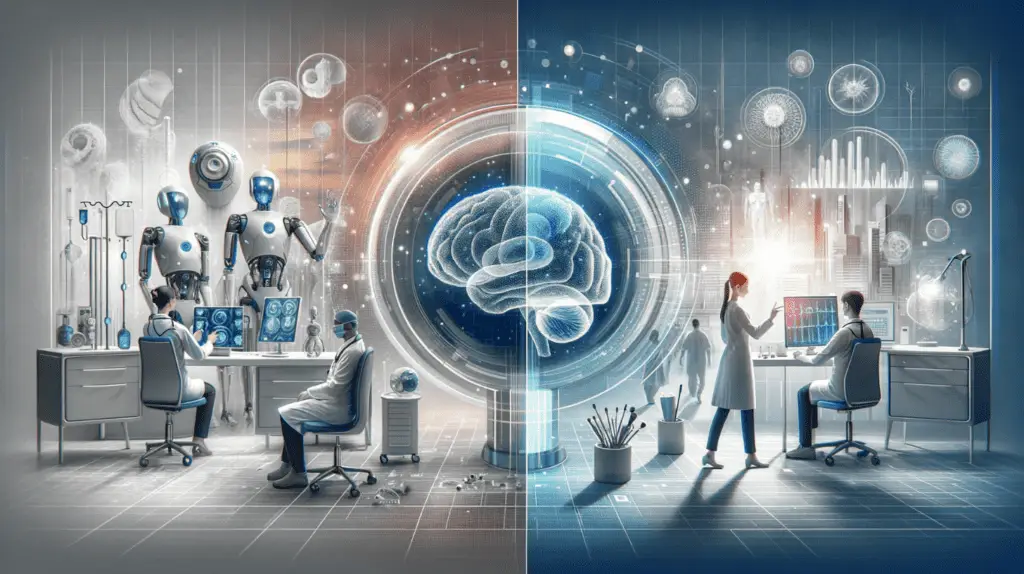
AI in ICU functions as a clinical co-pilot. It continuously analyzes real-time patient data, historical records, and trends to detect subtle patterns invisible to the human eye.
Instead of asking “What is happening now?”, AI answers:
What is likely to happen next?
How high is the risk of deterioration?
When should the clinician intervene early?
Key Capabilities of AI-Powered ICU Systems
Continuous 24×7 monitoring without fatigue
Early prediction of sepsis, cardiac arrest, and shock
Risk scoring and real-time alerts
Decision-support insights for clinicians
Reduction in false alarms and noise
Conclusion
AI in ICU represents a shift from reactive care to predictive and proactive medicine. By identifying deterioration before it becomes critical, AI empowers clinicians to save lives, reduce burnout, and deliver safer critical care.
This is a great reminder that financial planning isn’t just about numbers; it’s about aligning your money with your life goals. Physician Lifecycle Planning can help you make the most of your earning potential while ensuring you’re also prioritizing your well-being and quality of life.