Introduction
One of the most overlooked risks in hospitals is not equipment failure or lack of expertise—it is information loss.
During shift changes, ICU-to-ward transfers, or hospital-to-hospital referrals, critical patient information can be misunderstood, forgotten, or delayed. These gaps are a major cause of medical errors worldwide.
The Problem with Traditional Handoffs
Conventional handoffs rely heavily on:
Verbal communication
Handwritten notes
Lengthy patient files running into hundreds of pages
In high-pressure environments, this leads to:
Missed critical risks
Delayed decisions
Documentation errors
Increased medico-legal exposure
What is an AI Handoff System?
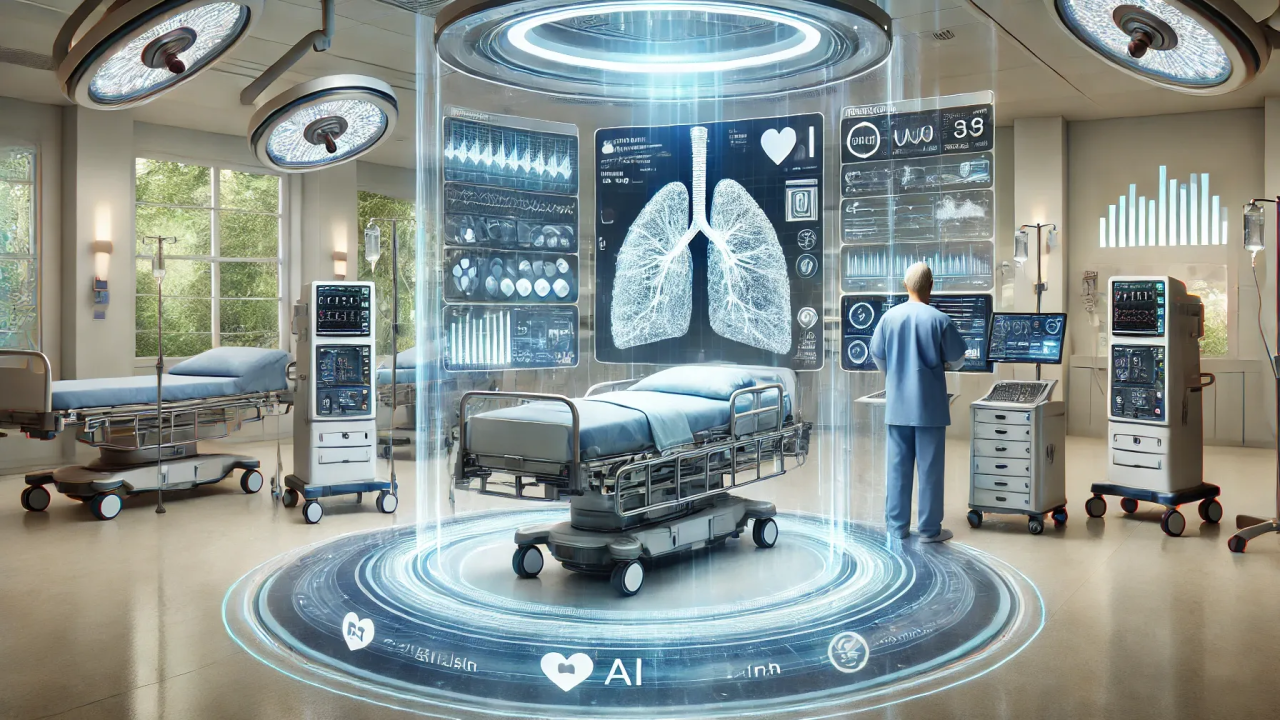
An AI-driven handoff system automatically generates a structured, concise, and complete clinical summary for every patient.
This one-page AI summary answers four critical questions instantly:
What happened?
What treatment was given?
What risks still remain?
What needs monitoring next?
Key Benefits of AI Handoff
Zero information loss during transitions
Faster decision-making for incoming teams
Reduced dependency on verbal explanations
Standardized documentation across departments
Lower risk of legal and compliance issues
Doctors no longer need to spend 20–30 minutes understanding patient history. Critical alerts and summaries are available instantly—even on mobile devices.
Conclusion
Safe care is not just about treatment—it’s about clear communication. AI-driven handoff ensures every transition in a patient’s journey is smooth, accurate, and risk-free.
Thanks for providing such a helpful and timely resource! I’m looking forward to reading more of your insights. I hope this is helpful! Let me know if you’d like me to make any adjustments or provide additional options.